

Views: 0 Author: Site Editor Publish Time: 2026-09-15 Origin: Site

Have you ever hosted a backyard barbecue, only to wake up the next morning and realize you left the gas grill running all night? It happens more often than you think. This simple oversight drains expensive fuel. Worse, it creates a severe fire hazard. Fortunately, a specialized timing device solves this problem. It physically severs the fuel supply after a set time, eliminating the risk of human error.
However, not all valves are engineered equally. You must match the component to your specific fuel source—whether that is natural gas, liquid propane, or coal gas. Your appliance's unique flow requirements also dictate the exact hardware you need. In this technical guide, we break down the engineering specifications. You will learn exactly how to navigate these parameters to select the safest, most reliable valve for your home or commercial setup.
Looking at recent market data, there is a clear shift in outdoor kitchen safety standards. While smart home gadgets dominate indoor spaces, industry analysts note a distinct pivot back to analog safety devices for exterior gas lines. Regulatory bodies and safety inspectors increasingly favor physical shut-off mechanisms over digital alternatives. Electronic solenoid valves often fail during extreme weather or power grid drops. Mechanical timers, by contrast, guarantee absolute immunity to digital malfunctions. They ensure the gas line secures itself even when the neighborhood loses power.
Fuel Compatibility is Mandatory: Natural gas, LPG, and coal gas operate at vastly different pressures. Installing the wrong valve type leads to dangerous leaks or burner starvation.
Sizing Determines Performance: Accurately matching your appliance’s BTU rating and pipe thread size (e.g., 1/2" NPT) ensures proper fuel volume and maintains consistent flame heights.
Mechanical Superiority: Spring-wound timers provide fail-safe security for outdoor applications. They operate entirely without electricity, making them immune to freezing weather and grid failures.
Verified Construction Standards: Always demand components forged from solid brass or marine-grade stainless steel. Ensure they carry recognized industry certifications like CSA or CE.
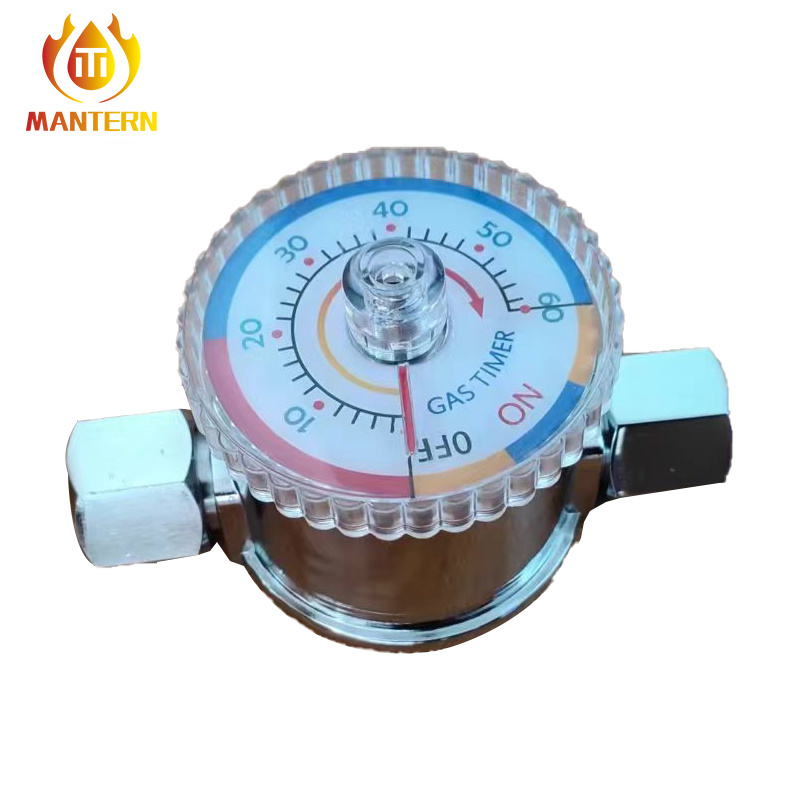
At its core, this component is a precision mechanical device installed directly inline with your gas supply pipe. Its primary function is straightforward but vital. It automatically stops the flow of combustible fuel to an appliance after a pre-determined amount of time has elapsed. These devices are heavily integrated into modern setups featuring outdoor BBQ grills, fire pits, patio heaters, and indoor fireplaces.
Understanding the core benefits of a gas appliance safety valve clarifies why inspectors consider it mandatory for new installations. First and foremost is uncompromised hazard prevention. It acts as a physical barrier. If you become distracted by guests or forget to turn off your grill, the gas supply is mechanically severed. This prevents the dangerous accumulation of unburned vapors and stops unattended fires in their tracks.
Furthermore, these devices deliver immediate commercial value. Leaving a high-BTU appliance running overnight will completely drain a 20lb propane tank. For municipal lines, it causes a massive spike in your utility bill. By setting a specific operational window—such as a 60-minute cycle for a standard grilling session—you can walk away with complete peace of mind. The system secures itself and conserves your fuel.
The internal components, orifice sizes, and pressure ratings of a valve must strictly align with your property's fuel type. Attempting to cross-use valves designed for different gases is a severe safety violation. It inevitably leads to catastrophic seal failures or poor appliance performance.
Natural gas is supplied directly to homes via utility lines. From an engineering standpoint, this fuel operates at a very low pressure. It typically runs around 7 inches of water column (WC), translating to roughly 0.25 psi. Because the pressure is so low, a natural gas timer valve must feature large internal pathways. This accommodates a much higher volume of gas flow. If the internal diameter is too restrictive, the appliance starves for fuel. You will see weak, yellow flames and experience incredibly poor heating performance.
In contrast, Liquefied Petroleum Gas (LPG) behaves very differently. Stored in pressurized tanks, propane is delivered to the appliance at a much higher pressure—typically around 11 inches of water column (WC). Additionally, propane boasts more than double the energy density per cubic foot compared to natural gas.
Consequently, an LPG gas timer valve must be structurally robust. It has to handle this increased pressure without compromising its internal seals. The springs and gaskets are specifically calibrated to manage pressurized gas. Using an unrated, low-pressure valve on a propane line will rapidly degrade the O-rings, resulting in dangerous leaks.
Historically known as town gas, coal gas is a synthetic fuel. While largely phased out of modern residential zones, it remains active in specific industrial applications and older regional infrastructures. Coal gas presents unique chemical challenges. It is a mixture of hydrogen, carbon monoxide, and methane, often containing high levels of moisture and corrosive impurities.
Therefore, a coal gas valve requires highly specialized internal components. The brass body and internal rubber O-rings must be explicitly engineered to resist corrosive condensation. Standard valves degrade rapidly when exposed to the distinct moisture content inherent in these legacy systems.
Fuel Type | Typical Pressure | Valve Engineering Requirement | Common Application |
|---|---|---|---|
Natural Gas (NG) | ~7" WC (Low) | Large internal orifice for high volume flow. | Municipal home supply, built-in outdoor kitchens. |
Liquid Propane (LPG) | ~11" WC (High) | High-pressure rated seals, robust spring tension. | Standalone BBQ grills, portable fire pits. |
Coal Gas | Variable | Corrosion-resistant brass, moisture-rated O-rings. | Industrial setups, legacy regional grids. |
Selecting the correct timing device extends well beyond identifying your fuel type. You must match the physical and thermal specifications of the component directly to your specific outdoor setup.
Every gas appliance features a specific British Thermal Unit (BTU) rating. This indicates how much heat it produces and the volume of fuel it consumes. For example, a large built-in grill might demand 90,000 BTUs. A standalone patio heater may only require 40,000 BTUs. Before purchasing, verify the manufacturer's data plate on your equipment. High-quality valves are typically rated for up to 100,000 BTUs. If you select a valve with a lower capacity than your appliance, it acts as a bottleneck. This causes uneven cooking temperatures and potential burner flame-outs.
Gas lines come in standardized diameters and thread patterns. The most common pipe size for residential properties is 1/2-inch. Measuring your existing line is essential to ensure a seamless fit. Equally important is the thread standard. North American fittings utilize NPT (National Pipe Thread), which is tapered to create a wedged, airtight seal. European and Asian markets typically use BSP (British Standard Pipe) threads. Forcing an NPT valve onto a BSP pipe strips the threads and creates a massive, undetectable leak.
Because these components live outdoors, material composition is critical. They face rain, intense UV rays, and severe thermal shock. Solid, forged brass is the industry standard. It resists rust and maintains structural integrity in freezing temperatures. Premium models also utilize advanced polymers, like Viton, for internal O-rings. These specialized materials withstand high ambient temperatures near grill fireboxes without melting or degrading.
As smart home technology permeates the market, consumers often debate between traditional analog mechanisms and Wi-Fi-enabled timers. However, when dealing with explosive fuels, reliability must always take precedence over modern novelty.
A mechanical gas shut off timer operates using a heavy-duty, spring-wound mechanism. When you turn the dial, you physically wind a mainspring that holds the valve open. As the spring slowly unwinds to the zero mark, a physical barrier snaps shut. This instantly terminates the fuel flow.
The advantages here are unparalleled. Mechanical valves require zero power. There are no batteries to replace, no hardwiring, and no internet signals to drop. They function flawlessly during severe neighborhood blackouts. Moreover, the brass gears and steel springs remain completely unaffected by freezing winter storms or blistering summer heat. Digital timers, on the other hand, rely on sensitive circuit boards and lithium batteries. If a battery dies while an electronic valve is open, the system may remain stuck in the open position, creating a severe hazard.
While installing this device is straightforward for those familiar with basic plumbing, working with combustible fuels carries inherent risks. Always consult your local building codes prior to beginning any work.
First, locate the primary gas shut-off valve for your specific appliance line. Turn it to the perpendicular (OFF) position. Verify the line is dead by attempting to ignite the burners. Next, thoroughly clean the pipe threads with a wire brush. Apply a gas-rated thread sealant. You must use yellow PTFE tape—which is significantly thicker and denser than standard white plumbing tape—or a specialized gas pipe dope.
When threading the valve onto the pipe, strictly follow the directional flow arrow stamped into the brass housing. It must point toward the appliance. Use two adjustable wrenches to tighten the connection securely. Hold the wall pipe steady with one wrench, and turn the valve with the other. This dual-wrench method prevents twisting and damaging the hidden gas lines behind your walls.
Before introducing a spark or flame to the appliance, perform a mandatory leak test. Mix a solution of equal parts liquid dish soap and water. Turn the main gas supply back on, then turn the timer dial to open the flow. Generously brush the soapy solution over all the threaded connections you just tightened. Watch closely for 60 seconds. If bubbles form and expand, you have a leak. Immediately shut off the gas, bleed the line, and reapply your sealant.
Selecting the proper timing device is the most effective way to ensure the safety of your outdoor living spaces. By accurately matching your specific fuel type and respecting your appliance's BTU and pipe thread requirements, you guarantee optimal performance without risking dangerous leaks. Prioritize mechanical, spring-wound timers for their rugged, battery-free reliability. Taking the time to properly size, select, and leak-test your installation protects your property and provides lasting peace of mind.
If you are ready to upgrade your outdoor safety, ensure you select verified, precision-engineered components. For highly reliable, certified timing solutions tailored to your specific setup—whether you need a 1-hour or 3-hour mechanical timer—explore the professional-grade options available. You can find the exact valve engineered for your system at Mantern, ensuring your installation meets the highest industry safety standards.
Generally, no. LPG and natural gas operate at vastly different pressures and require different internal flow capacities. LPG valves are designed for high pressure, while natural gas valves require larger orifices for low-pressure, high-volume flow. Always check the manufacturer's exact specifications. Unless a valve is explicitly certified for dual-use, crossing them causes severe flow restrictions or dangerous leaks.
Most standard analog timers offer maximum settings of either 1 hour (60 minutes) or 3 hours. A 1-hour dial is typically ideal for standard barbecue grilling sessions. Meanwhile, 3-hour models are better suited for extended use with outdoor fire pits, gas logs, and patio heaters.
It will only reduce your flame height if you mistakenly purchase a valve with a lower BTU rating or a smaller internal pipe diameter than your specific appliance requires. A properly sized and matched valve (e.g., a 100,000 BTU capacity valve on an 80,000 BTU grill) allows full fuel flow. It has absolutely no negative impact on your heat output.
Yes, provided you choose a high-quality brass mechanical timer. Because they rely on physical steel springs and brass gears rather than sensitive electronic circuit boards or batteries, mechanical valves are specifically designed to withstand extreme winter weather without seizing or failing.
The device should be installed directly on the gas supply line, positioned between the main manual shut-off valve and the appliance itself. Ideally, mount it in an easily accessible, highly visible location. This ensures users can effortlessly turn the dial before igniting the burners.
While the physical installation is similar to basic plumbing, working with explosive gas lines carries high risk. If you are comfortable with gas fittings, yellow PTFE tape, and performing soap leak tests, you can do it yourself. However, if you lack the proper tools or smell gas after installation, halt immediately. Hiring a licensed gas plumber ensures the job complies with local fire and safety codes.
Yes, mechanical gas timer valves are frequently used for indoor gas fireplaces and log sets. They provide an excellent safety barrier, ensuring the fireplace shuts off automatically if you fall asleep. However, you must ensure the specific valve model is certified for indoor use and matches your fireplace's BTU rating and fuel type.
Mantern Industrial Co., Ltd. is engaged in international business since 2012. Our aim is to provide good products with competitive price for our clients.
